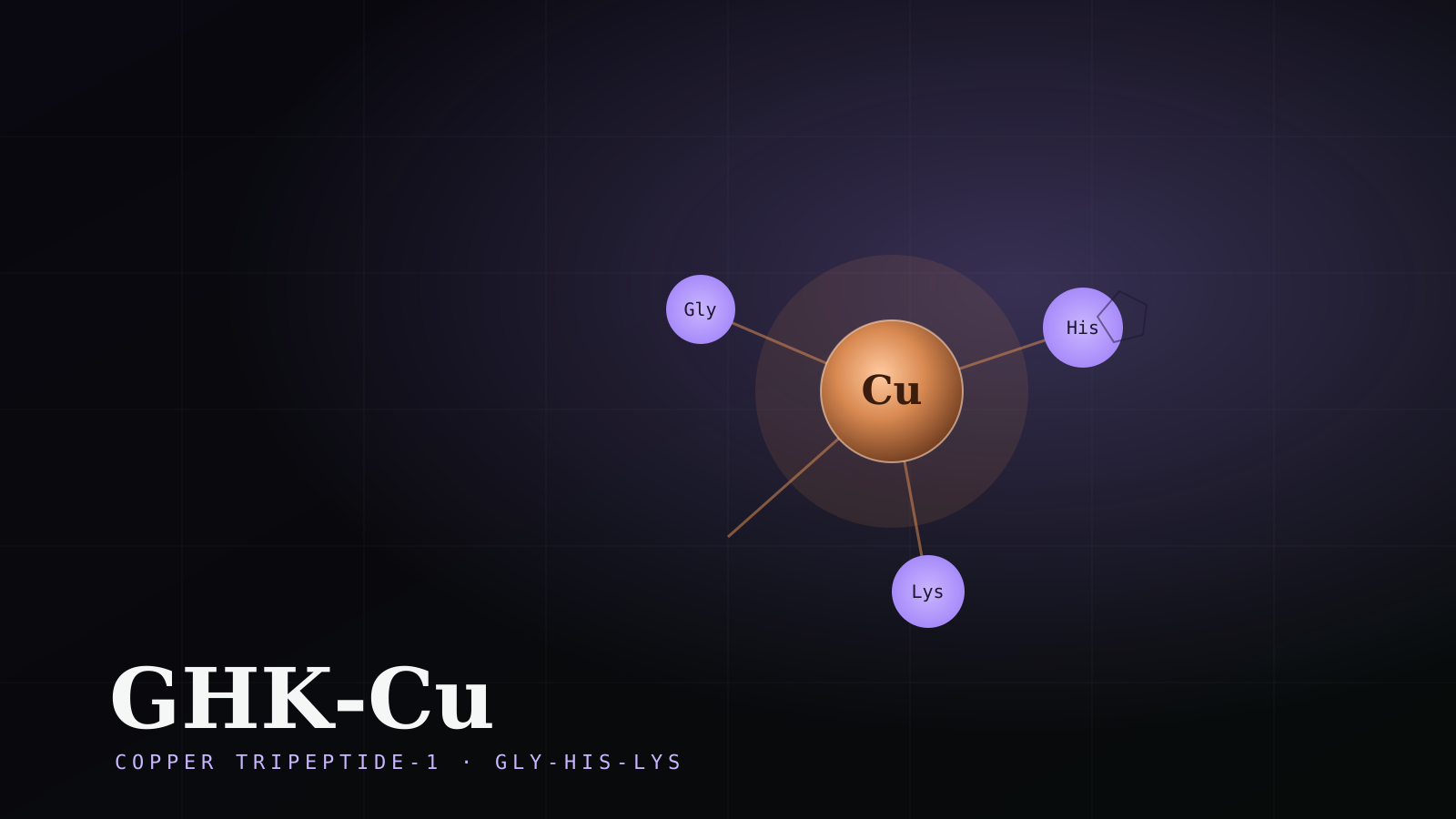
GHK-Cu: The Copper Peptide and Skin Renewal
A natural copper tripeptide, GHK-Cu is a favorite of anti-aging research for its role in collagen synthesis and tissue repair. The science behind the molecule.
By · Peptid Mühendisi
What Is GHK-Cu?
GHK-Cu is a natural molecule in which the glycine-histidine-lysine (Gly-His-Lys) tripeptide chelates a copper(II) ion. It occurs naturally in the body and is detectable in blood plasma, saliva and urine. It was first identified in the 1970s as a factor in human plasma that supports wound healing.
A Molecule That Declines With Age
GHK levels are high in youth and decline markedly with age — the level in one’s twenties is substantially reduced by one’s sixties. This drop is linked to the age-related decline in tissue-repair capacity. The molecule acts like a “key” that delivers copper into cells, and copper is essential for the function of many repair enzymes.
Mechanisms of Action
- Stimulates collagen and elastin production, contributing to skin firmness and elasticity.
- Plays a role in wound healing and tissue remodeling; supports angiogenesis (new blood-vessel formation).
- Shows antioxidant and anti-inflammatory properties, quenching free radicals.
- Has been reported to broadly modulate gene expression, nudging repair- and DNA-repair-related genes toward a more “youthful” profile.
- Early findings suggest it may stimulate hair follicles.
How Is It Used?
The most common and best-studied forms are topical serums and creams, listed in cosmetics as “copper tripeptide-1.” Concentration, formulation quality, pH and skin compatibility are the main factors affecting results.
Even for topical use, a patch test before broad application and a consultation with a skin specialist are recommended.
Important Notice
This content is educational and is not a substitute for medical advice. Consult a dermatologist for an approach suited to your skin.